Tips, strategies, and stories from the games you love.
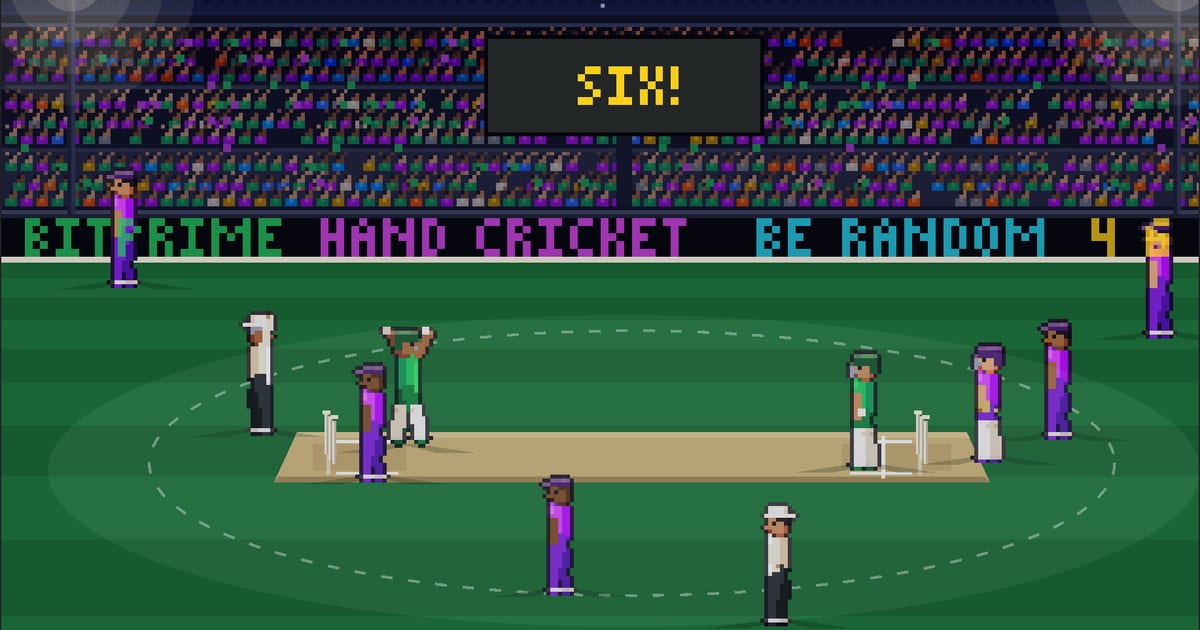
Our Hand Cricket bot never sees your pick, yet it keeps getting people out. Here is how it guesses, why it cannot beat random play, and how to fool it.
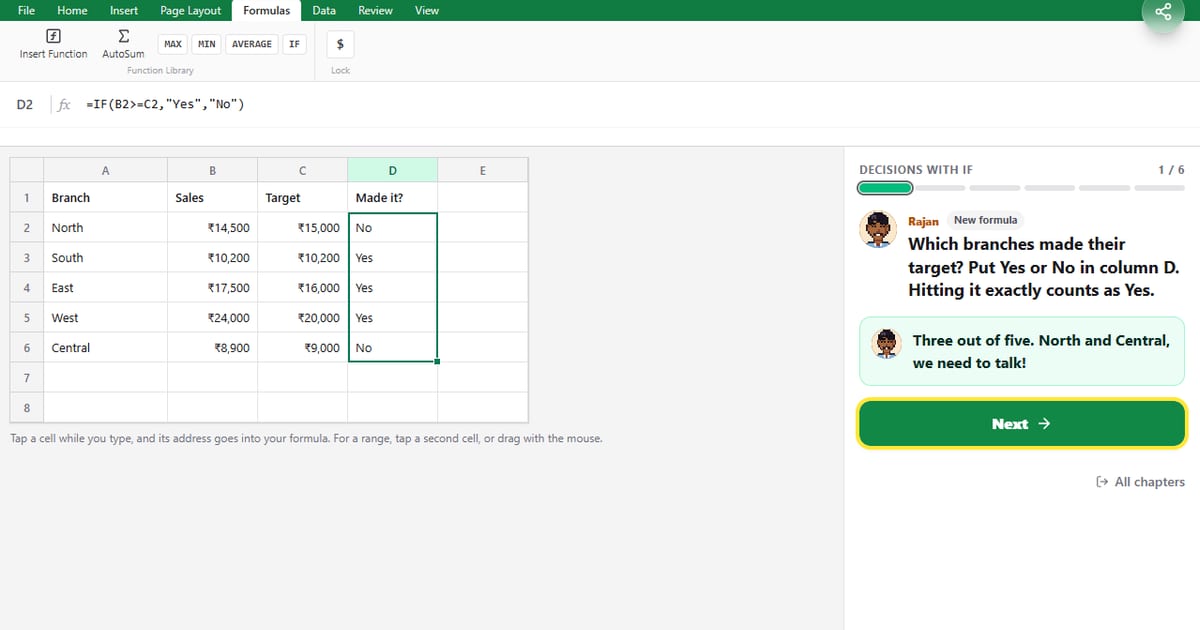
How Excel formulas work, from SUM to $ signs to IF, with the mistakes people make most. With screenshots from Excel Formula Desk, a free practice game.
The rules, the usual signs and how scoring works, plus 361 movie names in six languages. Or let a phone pick the movies and run the clock.
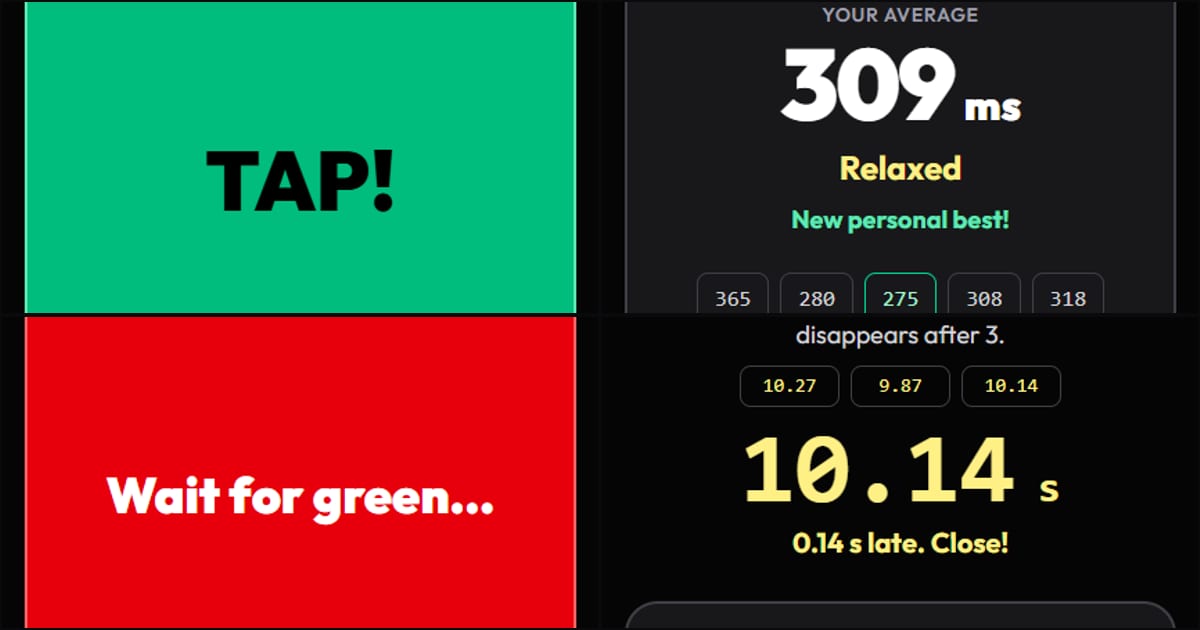
What the Reaction Time test measures, how the score is worked out, why two devices give different scores, and how to get faster.
Draw a circle around the dot and get a roundness score. Here is how the number is worked out, why ovals score low, and how to draw a rounder one.
Imposter is a word game for 3 to 12 people on one phone. Everyone knows the secret word except one player. Rules, points and tips for both sides.
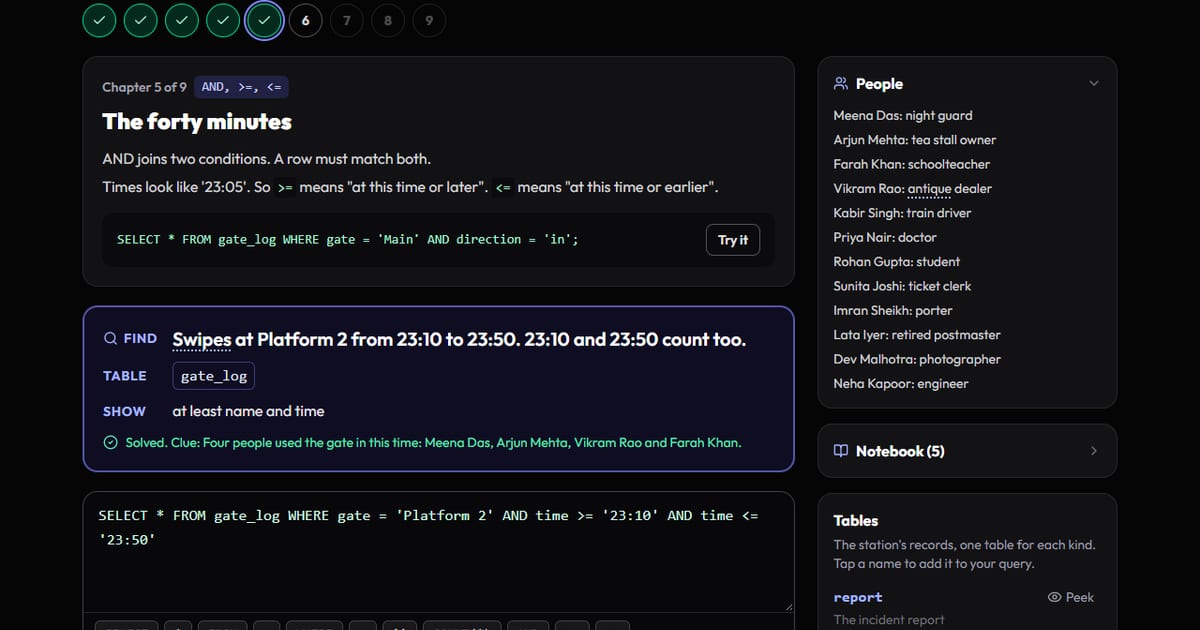
SQL Detective teaches SQL one idea at a time: seven mystery cases, from SELECT to window functions. Real SQL in your browser, and any correct query counts.
Four free games for a group with one phone: Imposter, Dumb Charades, Forehead and Stop at 10.00. What each needs, how long it takes, and which to pick.
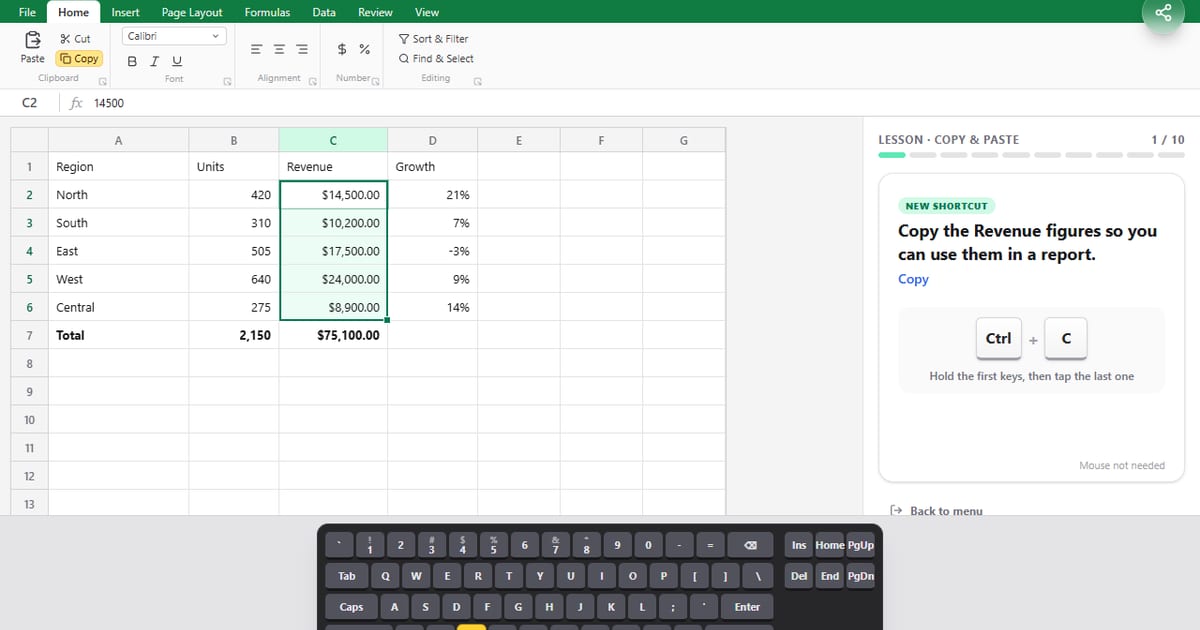
Twenty-seven Excel keyboard shortcuts in five small groups, which ones save the most time, and a simple way to make them stick. With screenshots from Excel Ninja.
Processing speed, working memory and task switching are three thinking skills worth practising. What each one is, and simple ways to train it.
Flow is the absorbed state where time disappears. You cannot switch it on, but you can set things up so it happens more often. Here is what research says.
AND, OR, NOT and friends, explained with everyday examples and truth tables, then put to work in the Logic Gates puzzle game.
Why you see falling blocks when you close your eyes after a long session, what the brain-scan studies of Tetris actually found, and how to practise spatial thinking.
Why a ticking clock can sharpen your focus, when stress starts to hurt memory instead, and how to use that on purpose. With examples from Brain Sprint.
Several BitPrime games are real computer-science ideas: flood fill, greedy choices, step-by-step programs and sorting. Here is what happens under each one.
Higher/Lower asks you to compare real numbers: salaries, prices, populations, follower counts. Here's what trips people up, from anchoring to the lakh-crore trap.
Short, free games that load in a browser tab and fit in a coffee break: no install, no account. Eight are ours, two are classics we'd recommend anyway.
Two action points, one board, one opponent. The small decisions in Hex Dominion are a good workout in planning ahead, and they look a lot like everyday ones.
Small tricks for seeing a busy colour board more clearly: follow the edges, group colours, and squint. Tried out on Pixel Flood.
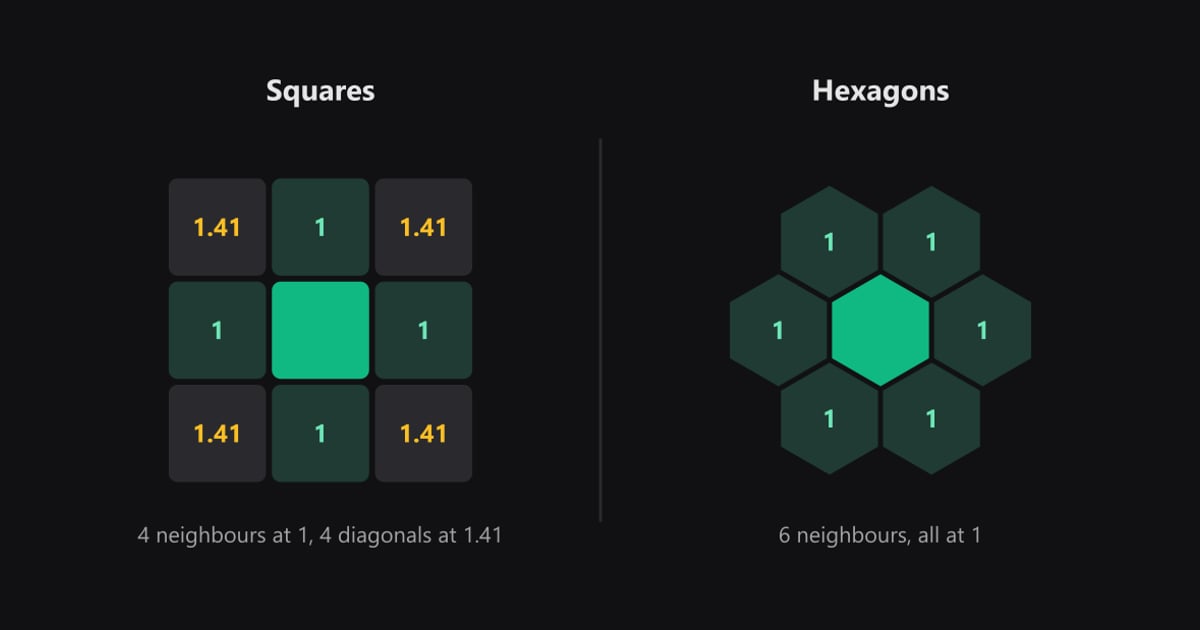
Squares have a diagonal problem. Hexagons don't. A short, illustrated look at why so many strategy games, including Hex Dominion, use six-sided tiles.
Five free puzzle games that each work a different kind of thinking, plus an honest look at what research says brain-training games do and don't improve.
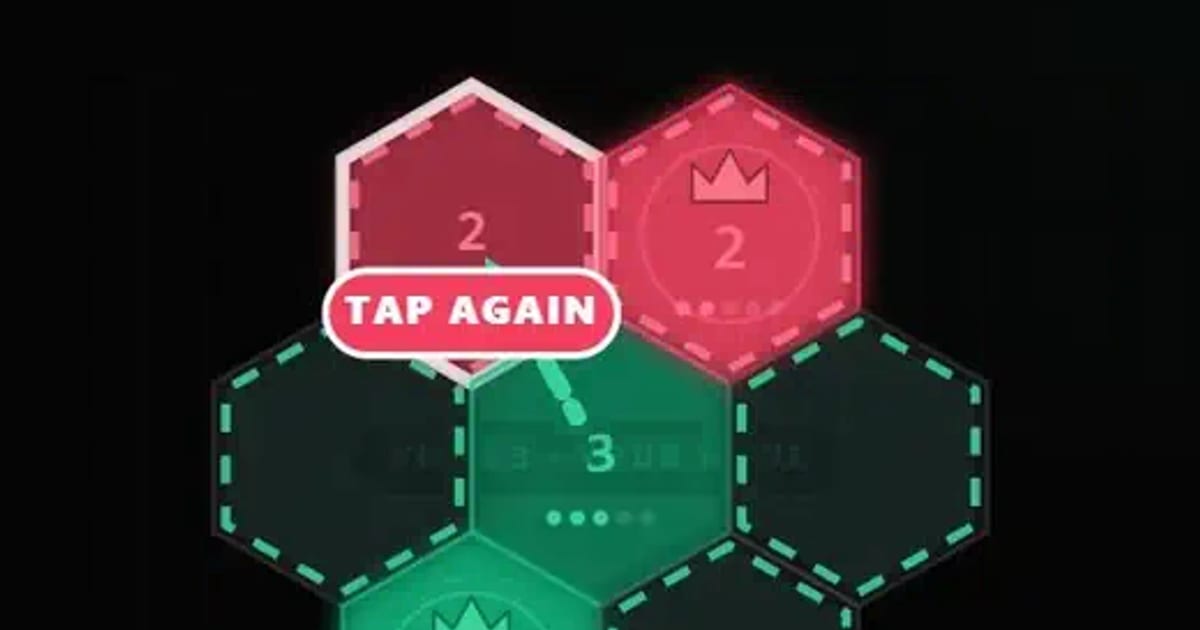
New to Hex Dominion? How expanding, fortifying and attacking really work, the exact attack maths, and three habits that win games. With clips from the game.
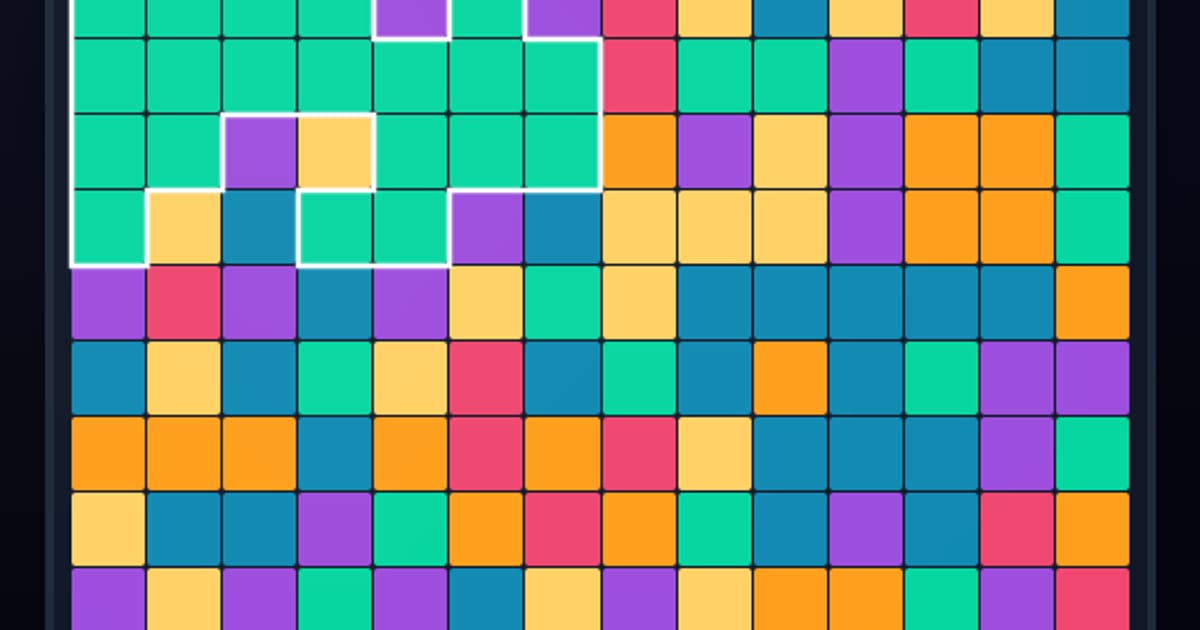
Pixel Flood gives you a fixed number of moves to turn the whole board one colour. Here's how to stop running out, with screenshots from the game.